BLOGS

Guide to performing your own anilox audits by cleaning rolls, inspecting engravings and damage, and using replica impressions to measure wear so you can track roller condition, plan maintenance, and reduce print defects and downtime.
12.01.25 10:07 PM - Comment(s)
Explore key differences between flexographic and digital label printing, including run volume, speed, setup time, maintenance, and cost. Learn when each process makes sense and why print quality is often indistinguishable to the end customer.
12.01.25 09:55 PM - Comment(s)

The bearing has spun out on your anilox roller journal(shaft). Now, you’re unable to get a new bearing to press onto the shaft. Can the anilox be repaired?


Most bearing surface areas on narrow web anilox rollers average between .500” to 1.000”. And, generally, the length of the shaft can be anywhere ...


11.25.25 10:30 PM - Comment(s)
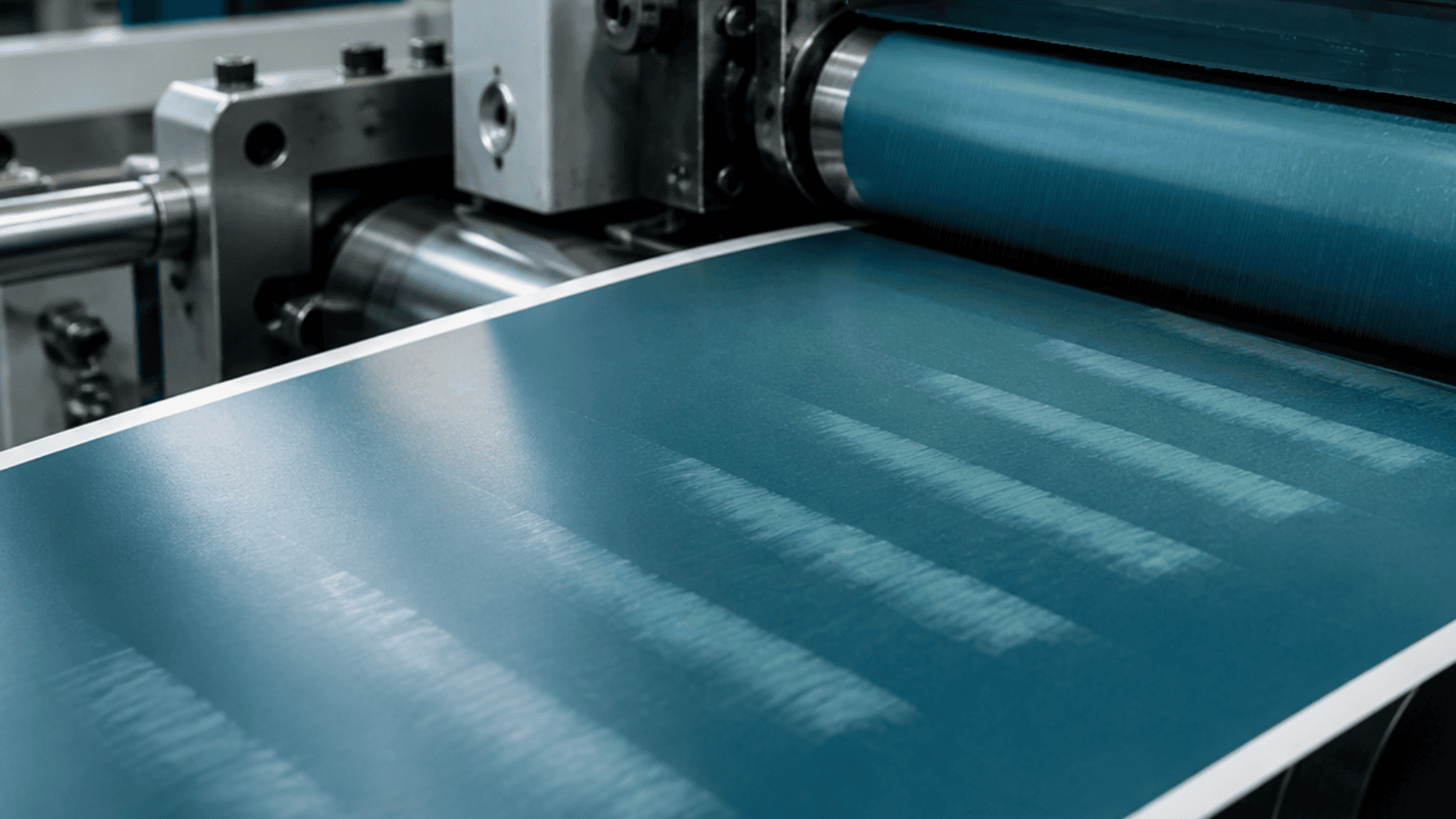
Overview of flexographic print ghosting, showing how anilox cell geometry, ink viscosity and surface tension, and chamber design affect ink transfer, and outlining practical fixes like changing anilox, adjusting viscosity and blade pressure, and increasing dwell time.
11.25.25 09:54 PM - Comment(s)
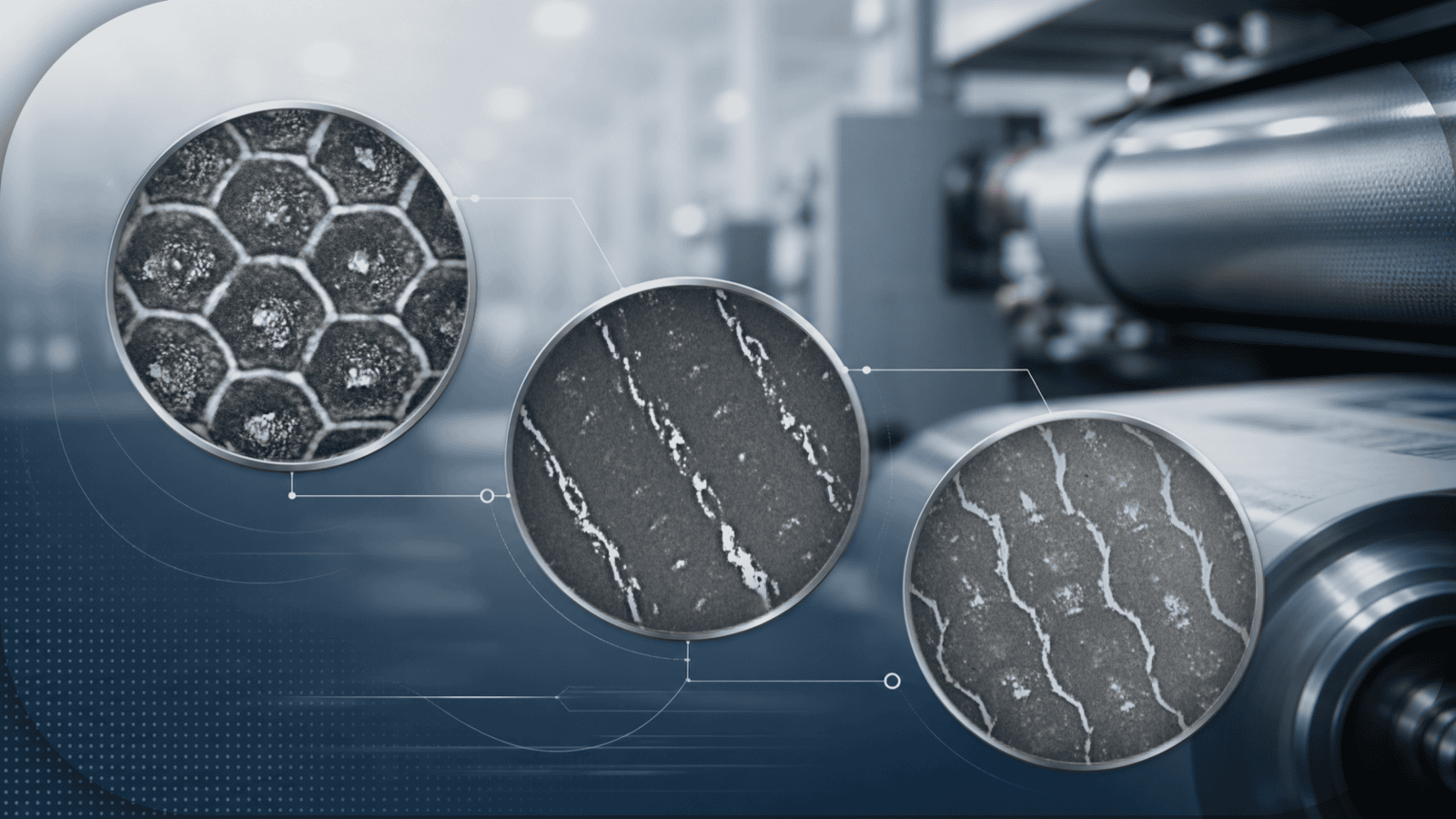
Overview of common anilox cell structures in flexographic printing, comparing 60° hexagonal, 45° diamond and other patterns, and explaining how cell geometry affects ink volume, release, foaming, and print quality for different applications.
11.25.25 09:54 PM - Comment(s)
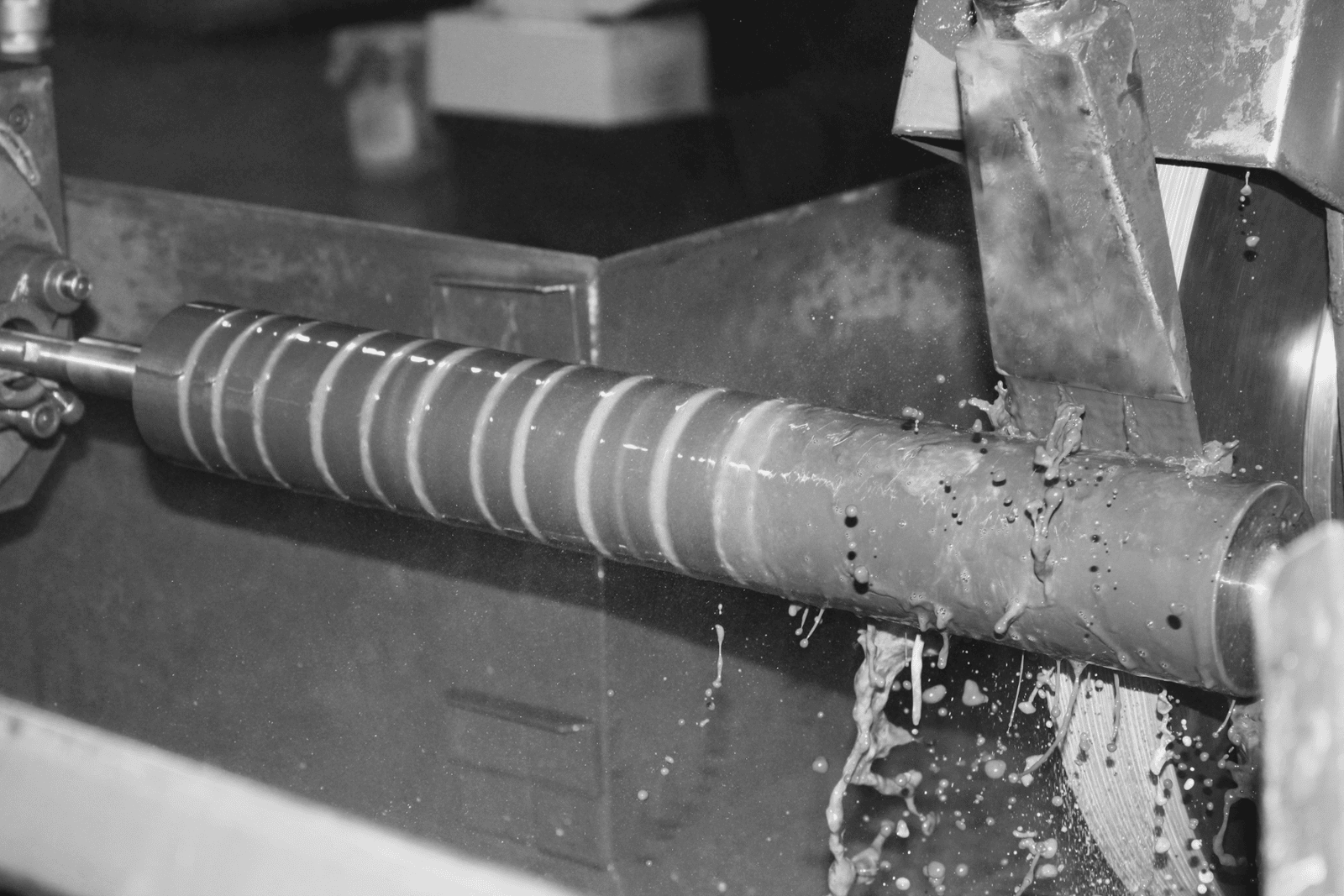
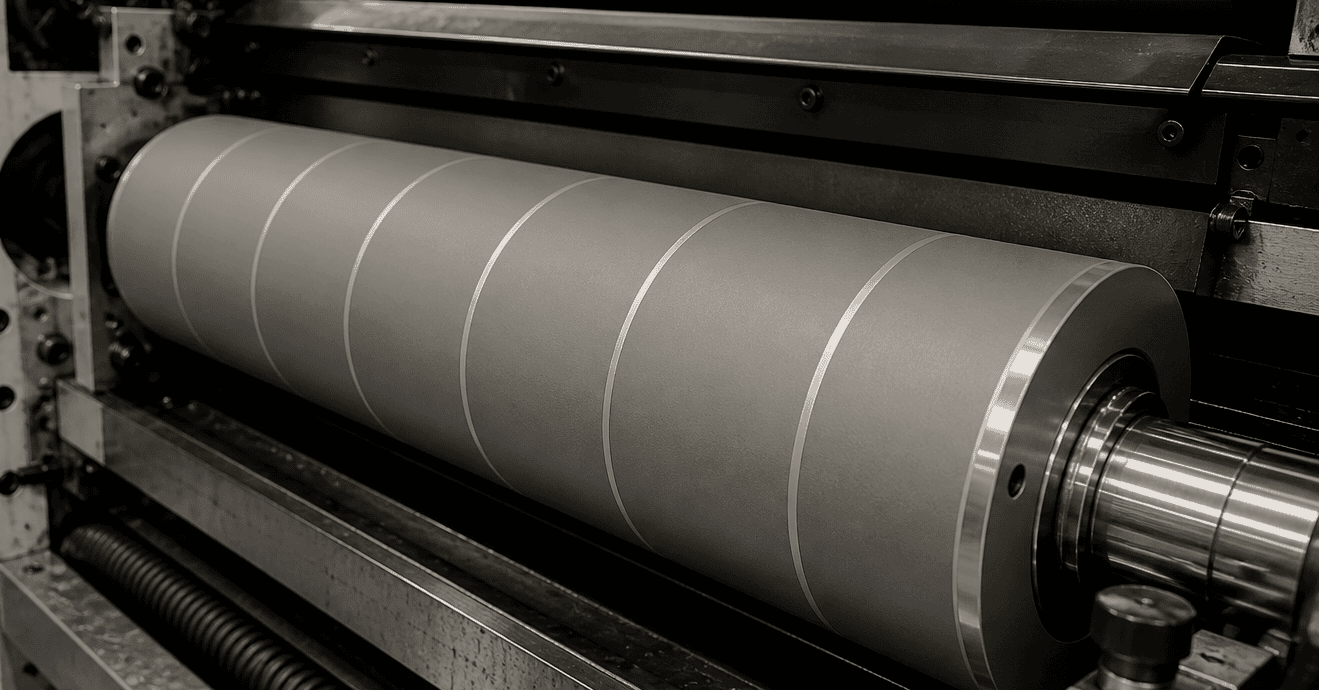
Q&A guide to banded anilox rollers—what they are, how to spec engravings and volumes for fingerprinting and four-color work, when one test roller is enough, and how CTS supplies banded rolls to dial in densities before full production.
11.09.25 04:58 PM - Comment(s)