Blog categorized as Industry Insights

Learn why galvanic corrosion occurs in anilox rollers made with mixed metals and how PRO-LITE™’s uniform material construction prevents deterioration, extends roller life, and improves long-term ROI.
12.06.25 11:52 AM - Comment(s)
UNDERSTANDING COMMON FLEXO PRINT DEFECTS
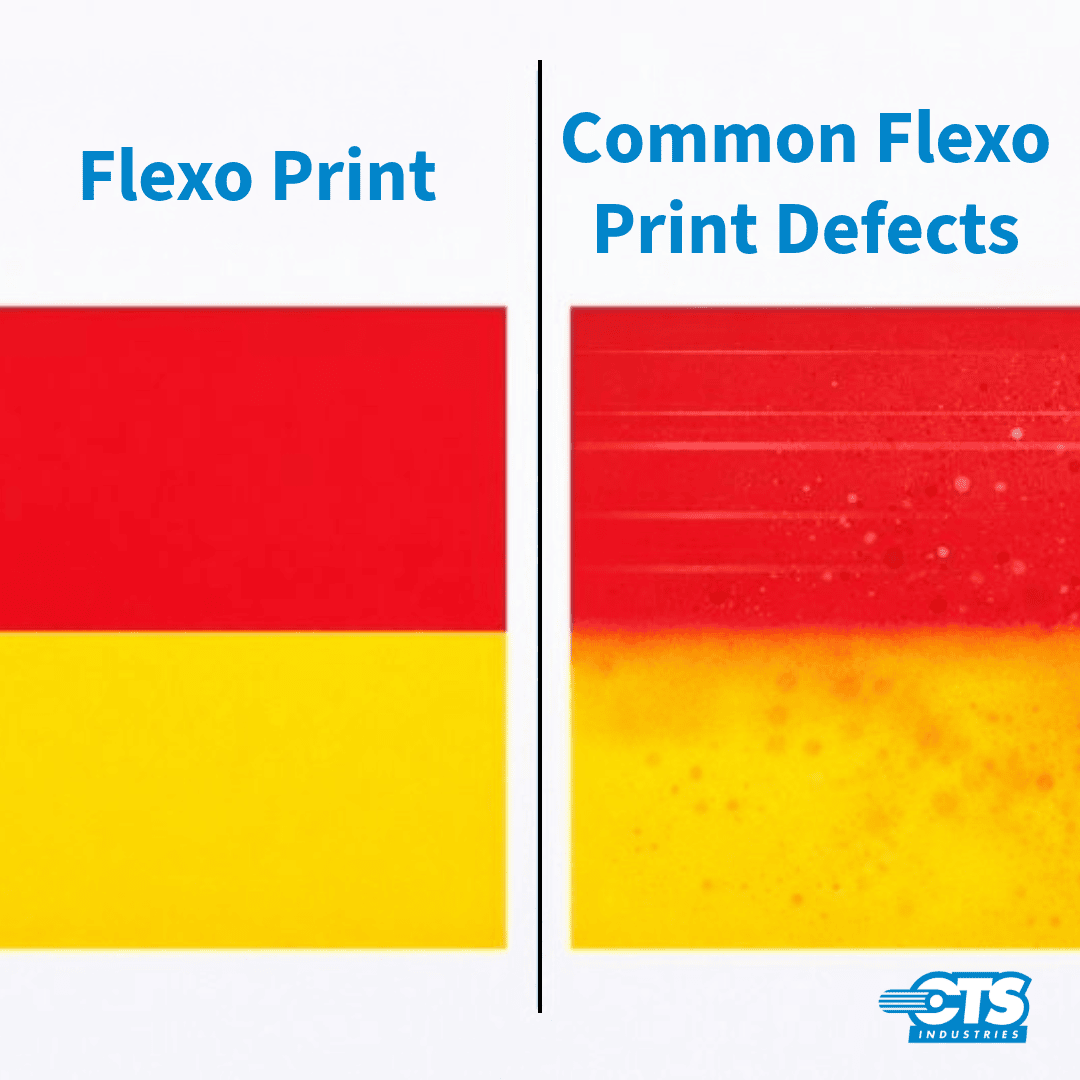
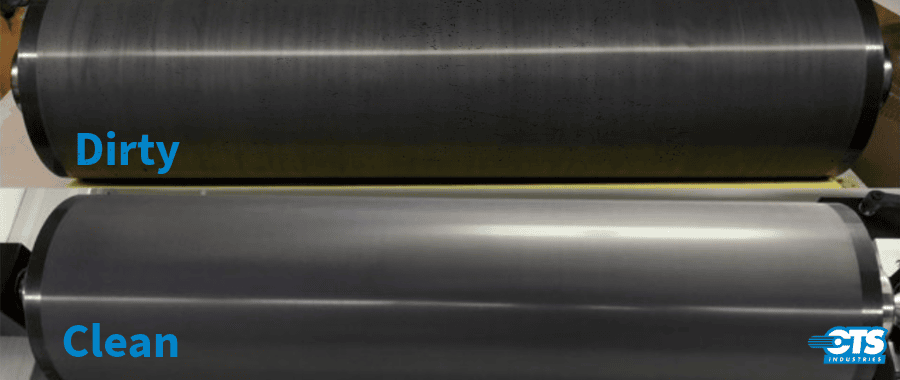
Learn about the most common flexo print defects—such as anilox color bleeding, color variation, ghosting, mottling, striations, pinholing, and dirty print—and how proper ink settings, cleaning, and maintenance can help prevent them.
12.06.25 11:31 AM - Comment(s)
THE FUTURE OF PRESS OPERATION
Discover how virtual reality (VR) is transforming flexographic printing training, letting operators practice press setup, troubleshooting, and safety procedures in a fully immersive, low-risk environment while helping shops reduce costs, improve skills, and attract new talent.
12.06.25 11:26 AM - Comment(s)
STANDARD ENGRAVING SPECS FOR PRINT APPLICATIONS
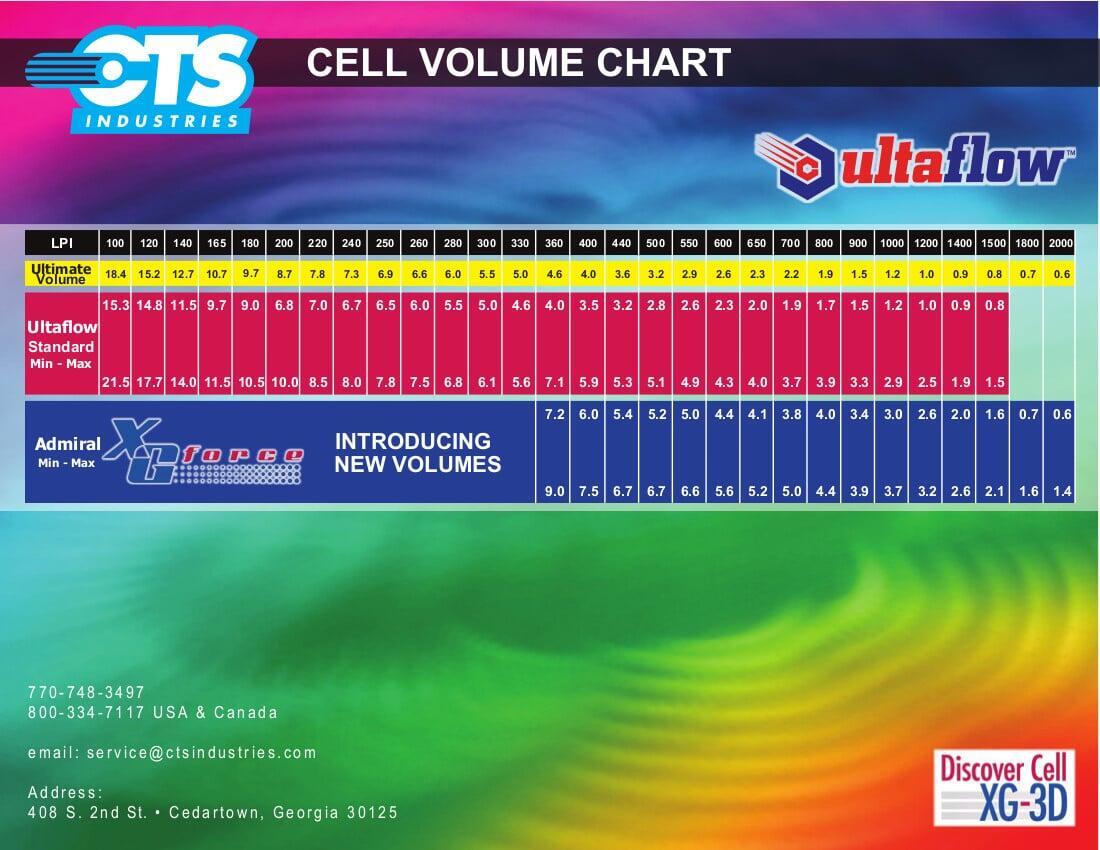
For converters running high-speed narrow web presses, this guide breaks down which anilox engravings to use for everyday jobs, fine detail, heavy coatings, and UV applications to hit the right balance of coverage and control.
12.06.25 11:22 AM - Comment(s)
PROPER ANILOX SLEEVE CLEANING
Proper anilox sleeve care includes cleaning the bore, ends, and guards, using correct air mandrel pressure and smooth handling to avoid chips, and choosing aluminum-safe, non-caustic cleaners to prevent corrosion and extend sleeve life.
12.01.25 10:45 PM - Comment(s)
HP DIGITAL PRESSES
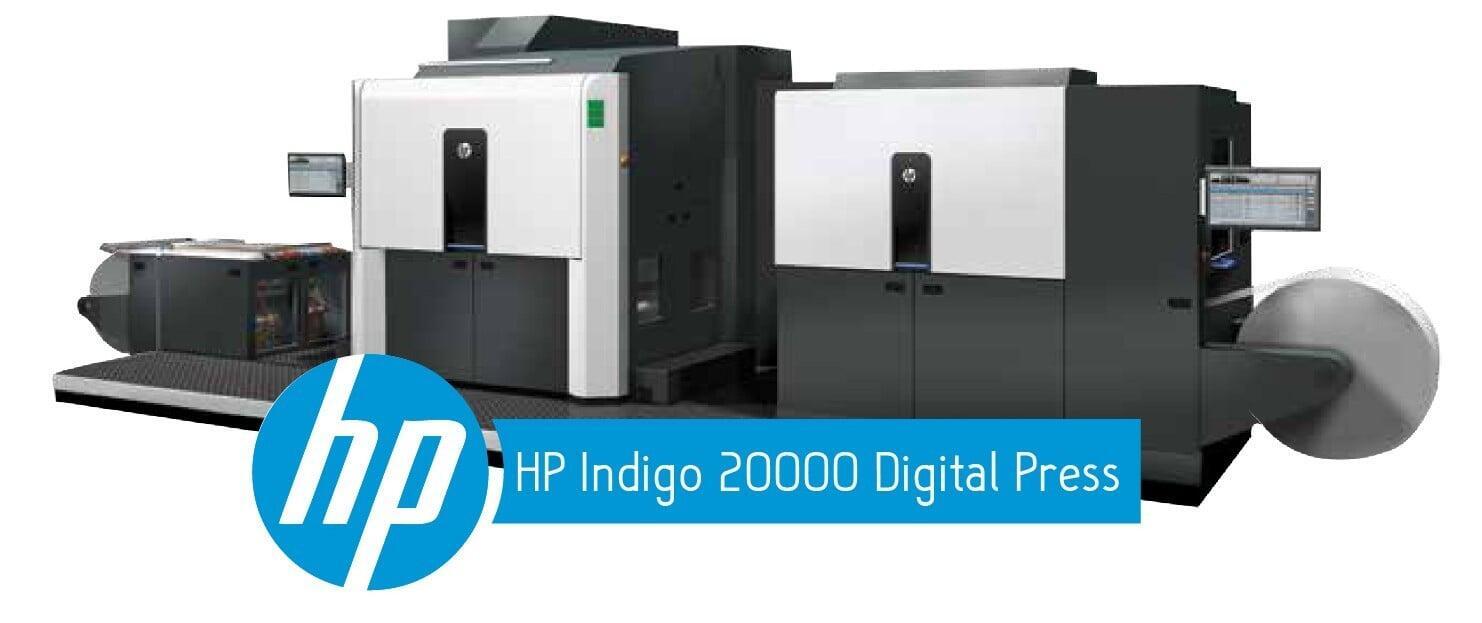
HP Indigo digital presses deliver flexo-quality results with minimal waste, fast short runs, and versatile LEP/LEPx technology that supports up to 12 stations, multiple inks, and high-speed, high-gamut packaging and label printing.
12.01.25 10:38 PM - Comment(s)
Explore key differences between flexographic and digital label printing, including run volume, speed, setup time, maintenance, and cost. Learn when each process makes sense and why print quality is often indistinguishable to the end customer.
12.01.25 09:55 PM - Comment(s)

The bearing has spun out on your anilox roller journal(shaft). Now, you’re unable to get a new bearing to press onto the shaft. Can the anilox be repaired?


Most bearing surface areas on narrow web anilox rollers average between .500” to 1.000”. And, generally, the length of the shaft can be anywhere ...


11.25.25 10:30 PM - Comment(s)
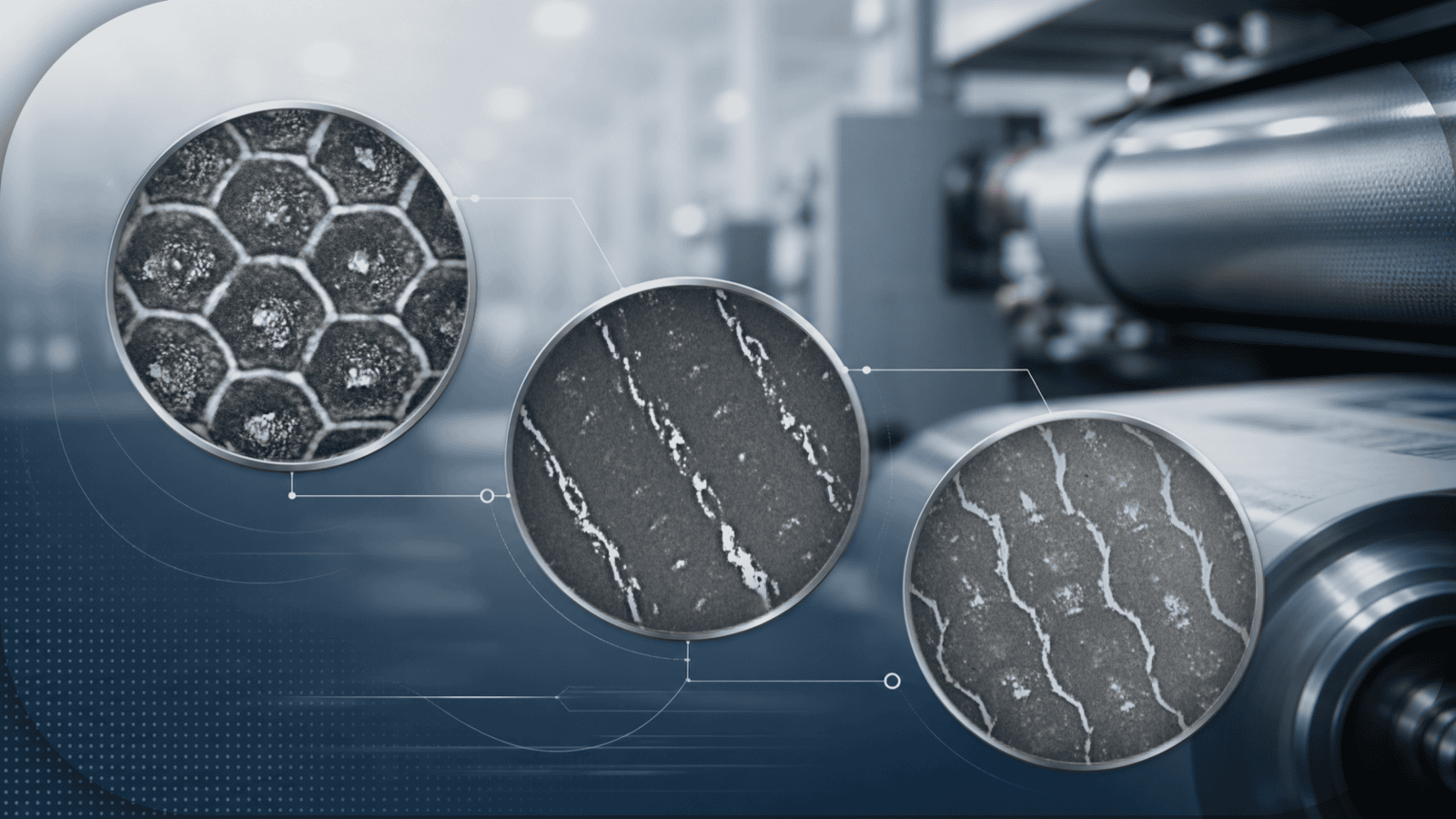
Overview of common anilox cell structures in flexographic printing, comparing 60° hexagonal, 45° diamond and other patterns, and explaining how cell geometry affects ink volume, release, foaming, and print quality for different applications.
11.25.25 09:54 PM - Comment(s)
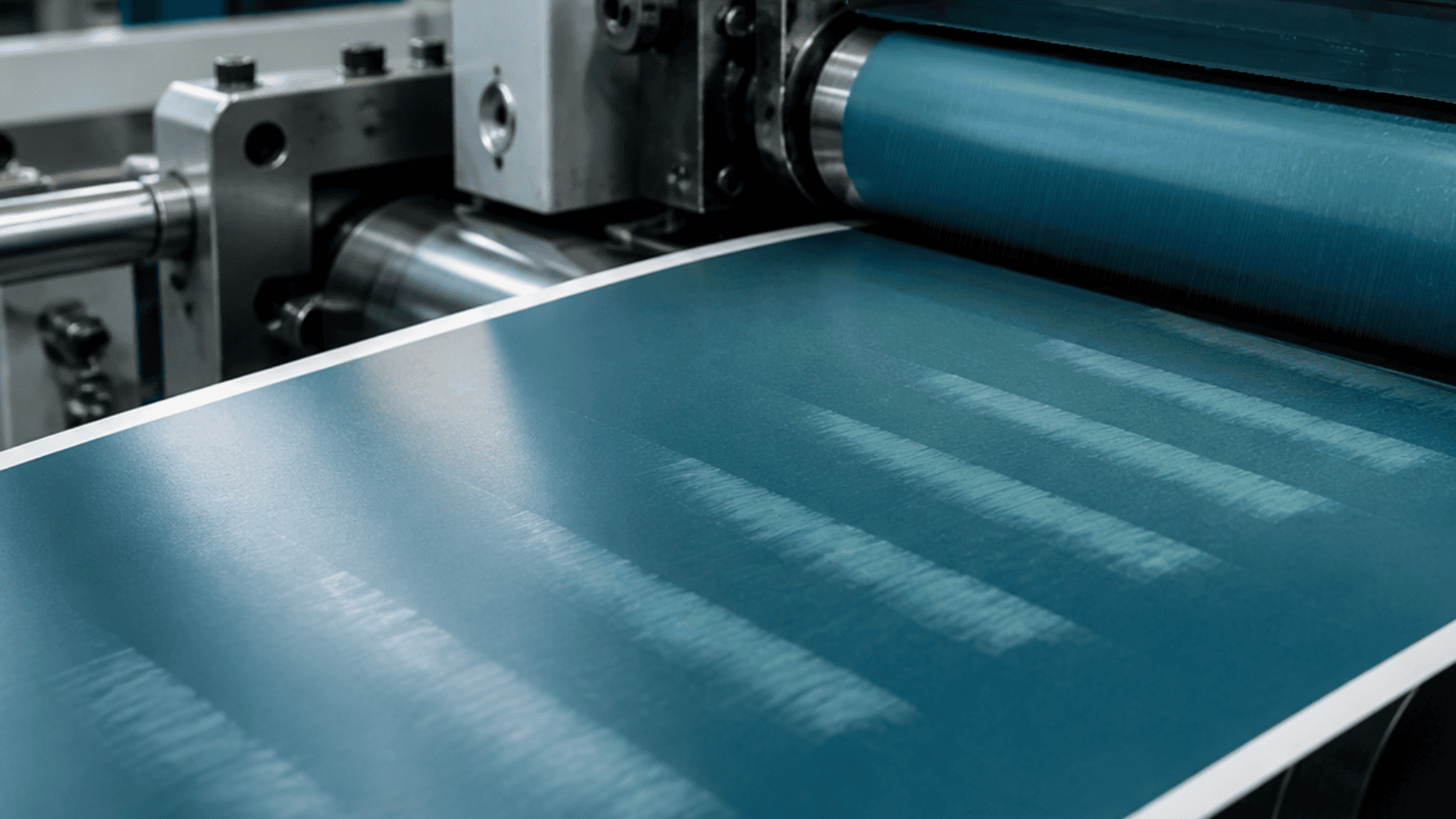
Overview of flexographic print ghosting, showing how anilox cell geometry, ink viscosity and surface tension, and chamber design affect ink transfer, and outlining practical fixes like changing anilox, adjusting viscosity and blade pressure, and increasing dwell time.
11.25.25 09:54 PM - Comment(s)