Andrew Eubanks

Blog by Andrew Eubanks

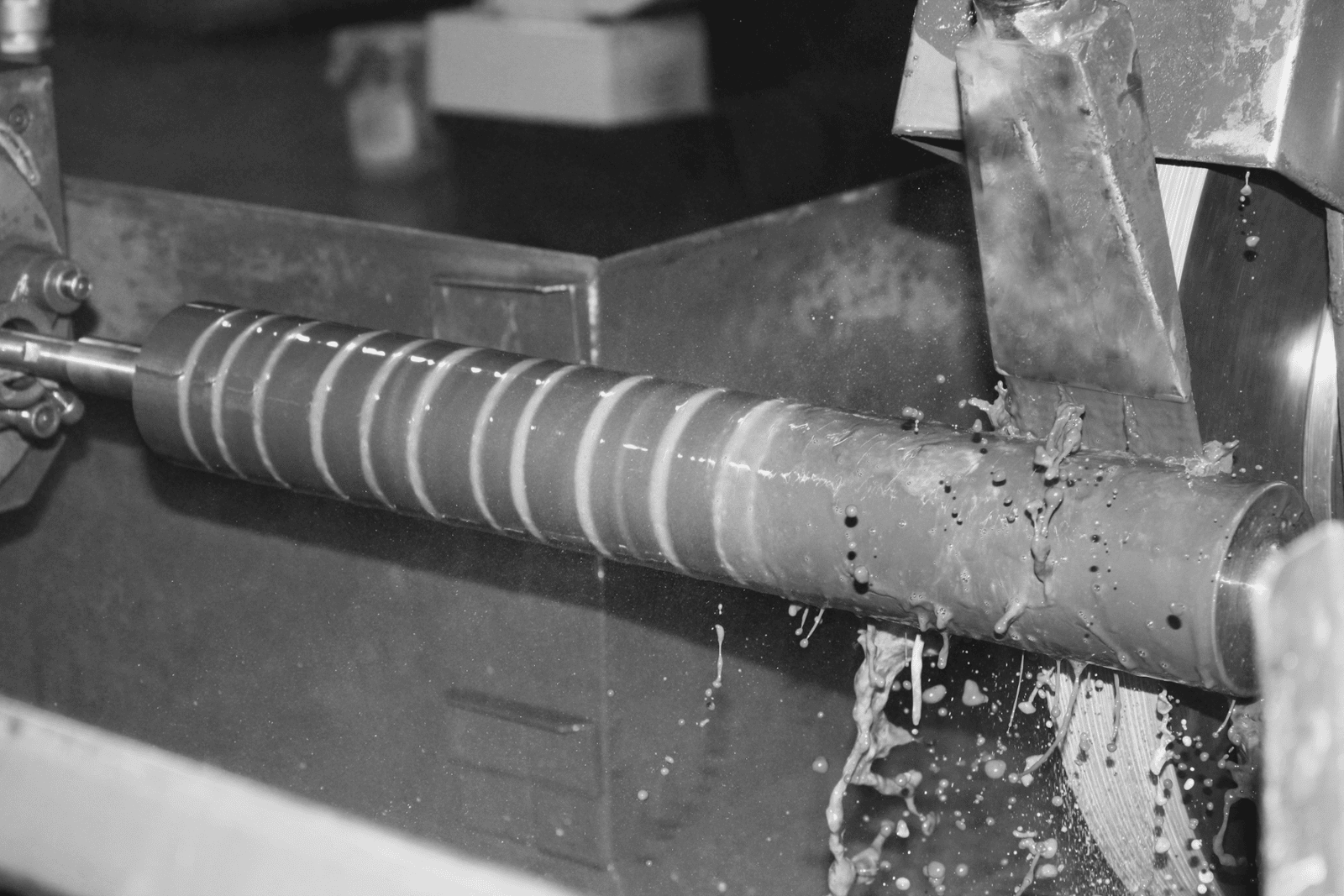
HARDNESS OF THE ANILOX ROLLER
Explore how anilox technology has evolved from chrome to ceramic, with higher hardness, longer life, and lower costs, plus an overview of ceramic hardness testing and its role in ensuring durable, high-performing rollers.
12.01.25 10:31 PM - Comment(s)
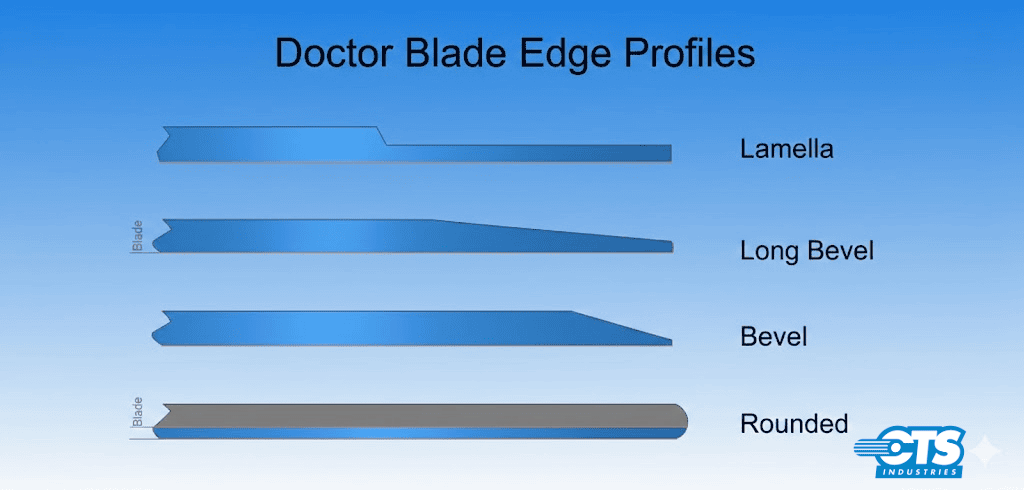
DOCTOR BLADES BASICS
Guide to doctor blades in flexographic printing, covering how blade types, tip designs, materials, pressure, and thickness affect ink metering, wear, and print quality—plus best practices for protecting anilox rollers and replacing blades after each job.
12.01.25 10:07 PM - Comment(s)
DIY ANILOX AUDIT
Guide to performing your own anilox audits by cleaning rolls, inspecting engravings and damage, and using replica impressions to measure wear so you can track roller condition, plan maintenance, and reduce print defects and downtime.
12.01.25 10:07 PM - Comment(s)
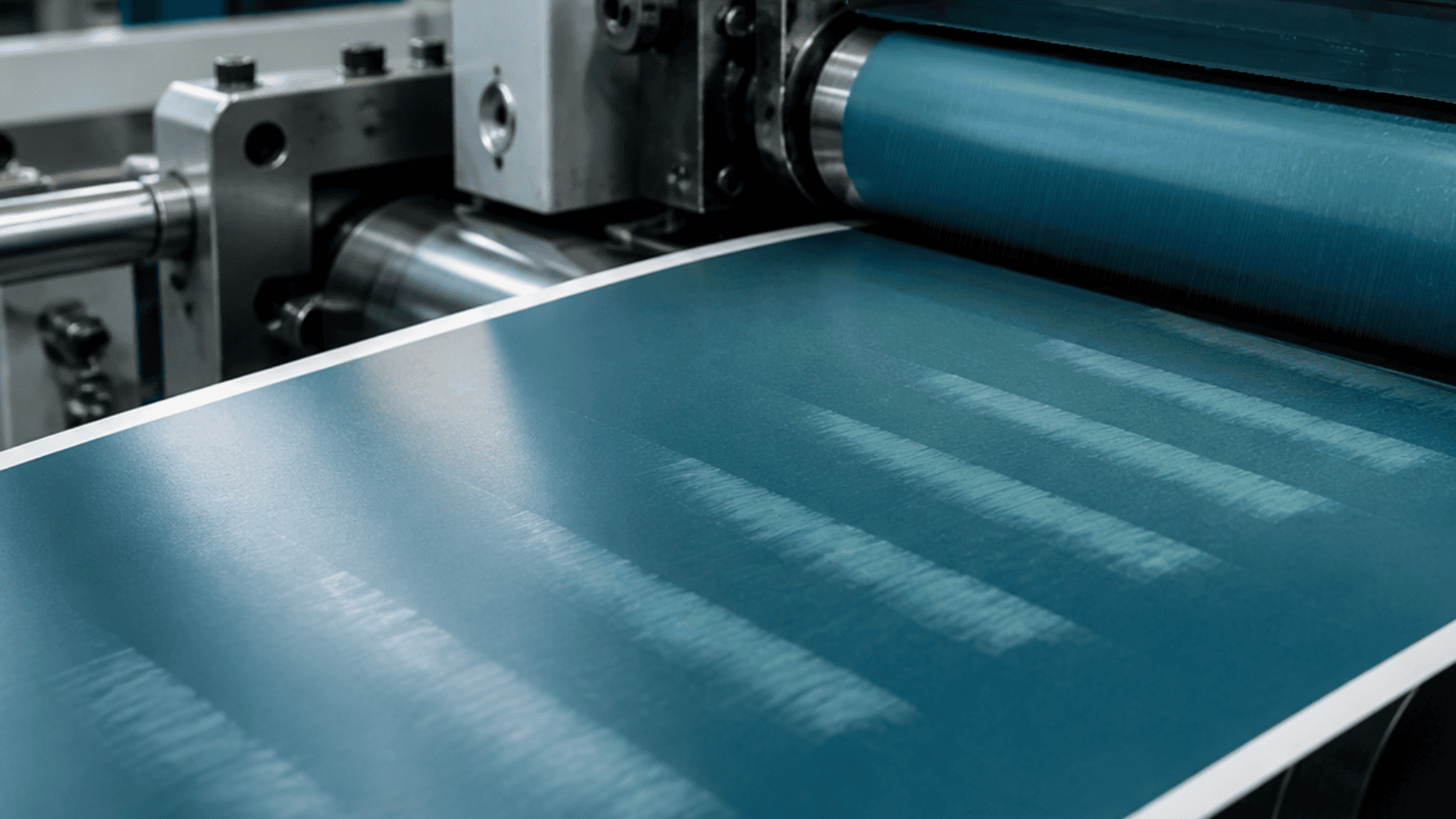
ANILOX GHOSTING PROBLEM
Overview of flexographic print ghosting, showing how anilox cell geometry, ink viscosity and surface tension, and chamber design affect ink transfer, and outlining practical fixes like changing anilox, adjusting viscosity and blade pressure, and increasing dwell time.
11.25.25 09:54 PM - Comment(s)
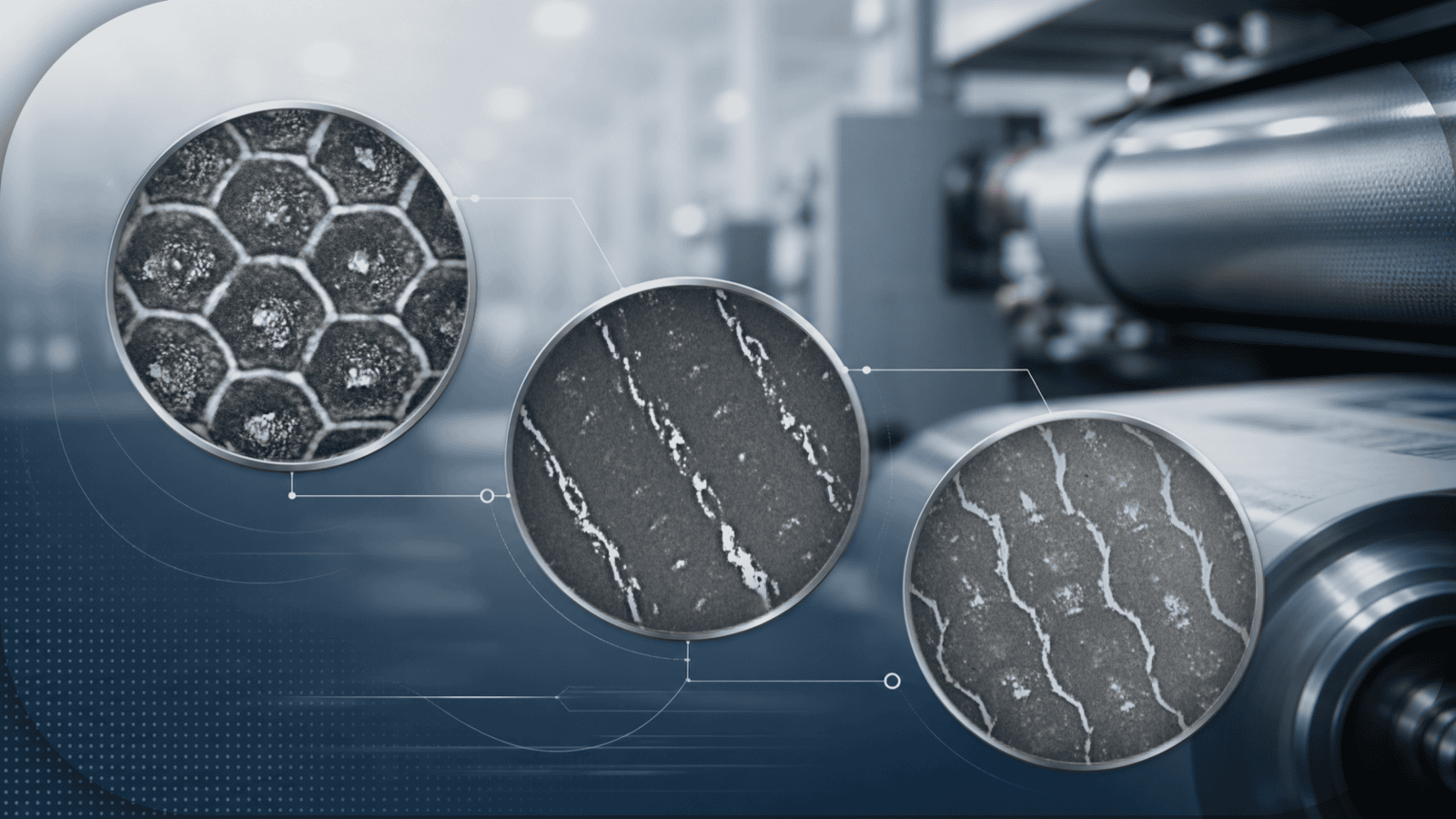
SELECTING THE RIGHT ANILOX CELL STRUCTURE
Overview of common anilox cell structures in flexographic printing, comparing 60° hexagonal, 45° diamond and other patterns, and explaining how cell geometry affects ink volume, release, foaming, and print quality for different applications.
11.25.25 09:54 PM - Comment(s)
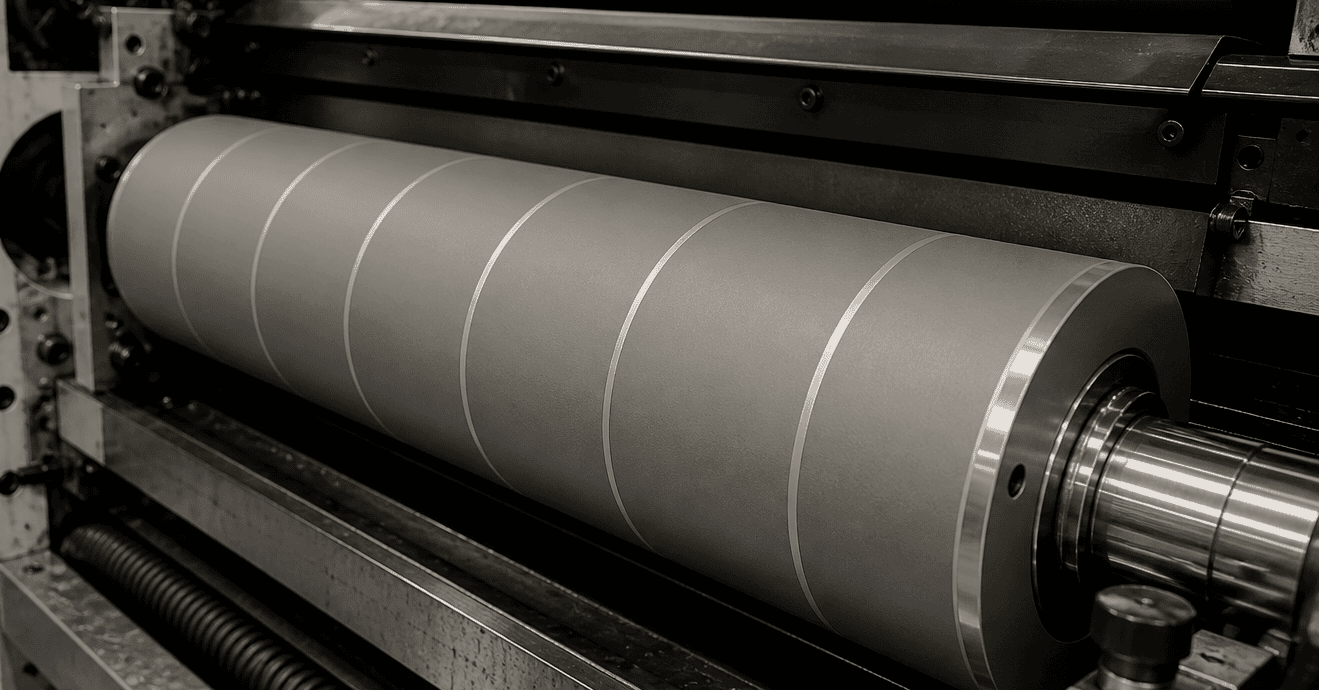
WHY CHOOSE A BANDED ANILOX ROLLER
Q&A guide to banded anilox rollers—what they are, how to spec engravings and volumes for fingerprinting and four-color work, when one test roller is enough, and how CTS supplies banded rolls to dial in densities before full production.
11.09.25 04:58 PM - Comment(s)